
Case Study

Northern Care Alliance NHS Foundation Trust – RTT Validation

A fully outsourced managed service to support RTT Validation within an Acute Trust.
Executive Summary

The Northern Care Alliance (NCA) launched an RTT Validation Project to carry out a deeper review of incomplete patient pathways, aiming to improve compliance with NHS guidelines and enhance operational efficiency. The Trust’s goal was to remove pathways that were potentially inflating the Patient Tracking List (PTL), contributing to delays in patient care, an increase in backlog cases, and greater regulatory risk. To address these issues, max20 Project Solutions partnered with the NCA to introduce a structured RTT validation process. By applying systematic data cleansing, robust validation methodologies, and operational improvements, the initiative led to significant gains in data accuracy, patient tracking, and compliance with national RTT standards.

Key Highlights:

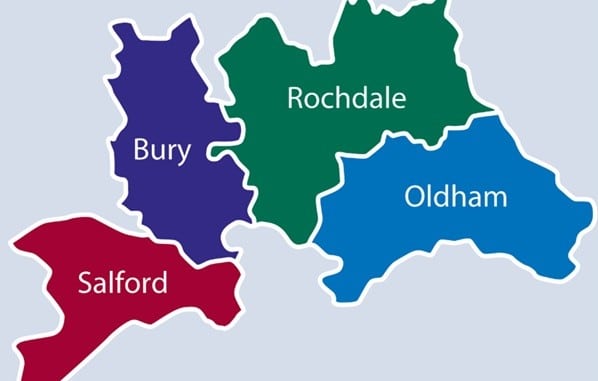
  • Validated incomplete pathways across 4 main sites; Salford, Rochdale, Oldham and Fairfield.
  • Supported the NHS England (NHS-E) sprint run from September 2024 to October 2024, alongside seven Trusts throughout England and Wales.
  • Achieved  98% of NHS-E sprint targets by removing  2400 pathways above the baseline target within 8 weeks
  • Contributed to the reduction of long waiters through validation making NCA one of the highest ranked Trusts in England for the reduction of 65 and 52 week waits.
  • Dermatology Patch Test Review: Identified and closed over 1,500 non-RTT pathways, eliminating unnecessary backlog cases and reducing 18+ week and 52+ week breaches.
  • Specialty-Specific Support: Assigned dedicated validation teams for Neurology and Gynaecology, significantly reducing potential 52-week breaches and backlog cases.
  • Urgent Care RTT Review: Identified misclassified pathways, ensuring patients who had already received initial treatment in Urgent Care were correctly recorded.

In numbers:

  • 70,000+ incomplete patient pathways reviewed and validated within 7 months.
  • 2400 pathways closed above baseline set during the NHSE England sprint target
  • max20 Project Team of 10 including a Team Manager
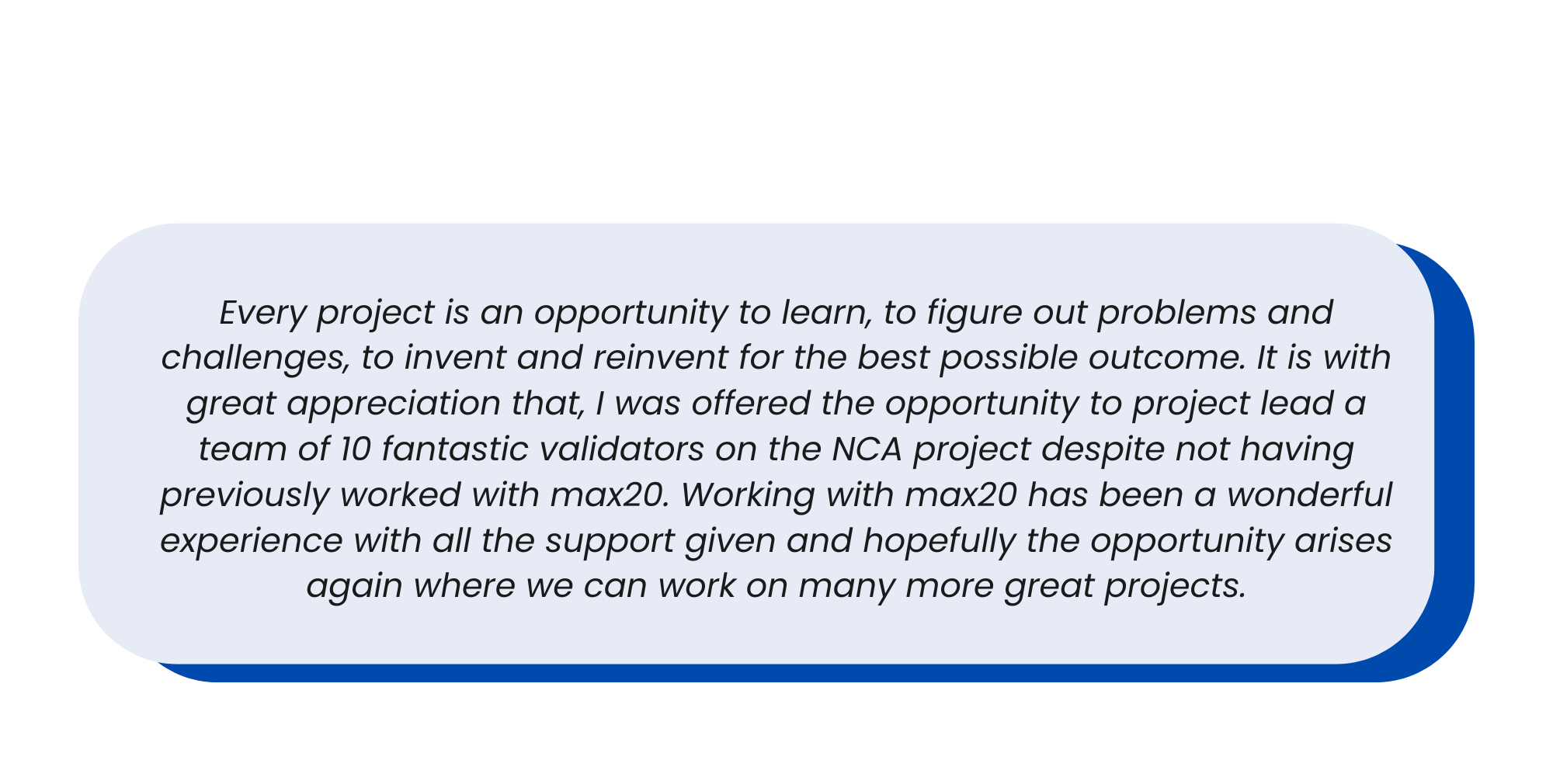
“max20 and their colleagues quickly became a natural extension of our team, bringing exceptional expertise in national RTT rules and demonstrating great adaptability across a range of complex systems. Their work ensured consistently high levels of accuracy, supported by strong team leadership and regular review audits. The max20 team have made a significant contribution to improving the quality of patient waiting list data at NCA, enhancing our ability to manage pathways and support patient care effectively.”

Jon Lawton, Programme Lead Data Improvement – EPR Readiness
The Challenges

NCA faced significant RTT reporting challenges due to:

  • High volumes of incomplete pathways, requiring urgent validation.
  • Lack of standardised validation processes, leading to data inconsistencies.
  • Misclassification of non-RTT pathways, creating an unnecessary backlog.
  • Regulatory compliance requirements, necessitating immediate corrective action.
  • Time-sensitive NHS targets, requiring a scalable and high-impact validation approach.

Without intervention, these issues risked misreported patient treatment statuses, negatively impacting compliance metrics, operational efficiency, and patient care delivery.
The graph below shows total validations up to 31st March – progress was reported to NCA weekly and a small team has been retained through to end of May 2025 for Phase 2 to support the next NHS-E sprint.

The Solution

To mitigate the challenges faced by NCA, max20 Project Solutions implemented a multi-tiered validation approach. This included the adoption of standardised NHS RTT validation methodologies, ensuring a systematic assessment of all incomplete pathways and rectifying errors. A specialised validation team of trained experts in NHS RTT reporting was deployed, applying both manual and automated validation techniques for accuracy. Weekly progress monitoring was implemented through comprehensive reports tracking validation progress, shared learning with NCA operational teams, and audit peer reviews to ensure data accuracy and compliance. Additionally, risk management and compliance tracking were strengthened through the maintenance of a Risk Register to track issues and solutions, alongside the implementation of data governance protocols to ensure NHS compliance. Through this structured approach, the project streamlined validation processes, reduced RTT errors, and improved reporting accuracy across both sides of the organisation.

The Outcomes

The successful completion of the RTT Validation Project led to significant achievements, including the validation of 70,000+ incomplete pathways, ensuring data accuracy and improving patient tracking. The project enabled the achievement of NHS RTT compliance targets, thereby minimising regulatory risks and ensuring adherence to national healthcare standards. Enhanced patient journey mapping facilitated better clinical decision-making, while the reduction of backlog cases improved overall patient pathway efficiency. A long-term sustainable validation framework was established, ensuring future data integrity and continued accuracy in reporting. Furthermore, the collaboration between NCA and max20 Project Solutions was strengthened, demonstrating the effectiveness of strategic data management in healthcare. Beyond compliance, this initiative significantly enhanced operational efficiency, improved patient tracking, and reinforced data governance within NCA.

A Model for Future Data Quality Management of Pathways

This project not only ensures RTT compliance but also transforms the way NCA manages patient pathways. By leveraging automation, analytics, and validation expertise, this initiative demonstrates a replicable model for other NHS Trusts aiming to achieve RTT excellence, operational efficiency, and data-driven patient management.

Beyond compliance, this initiative delivers lasting benefits—improving patient safety, operational efficiency, and strategic decision-making at the executive level.